

In today’s digital world, Convert image to text technology has become an essential tool for students, businesses, and professionals who deal with scanned documents, photos, and handwritten notes.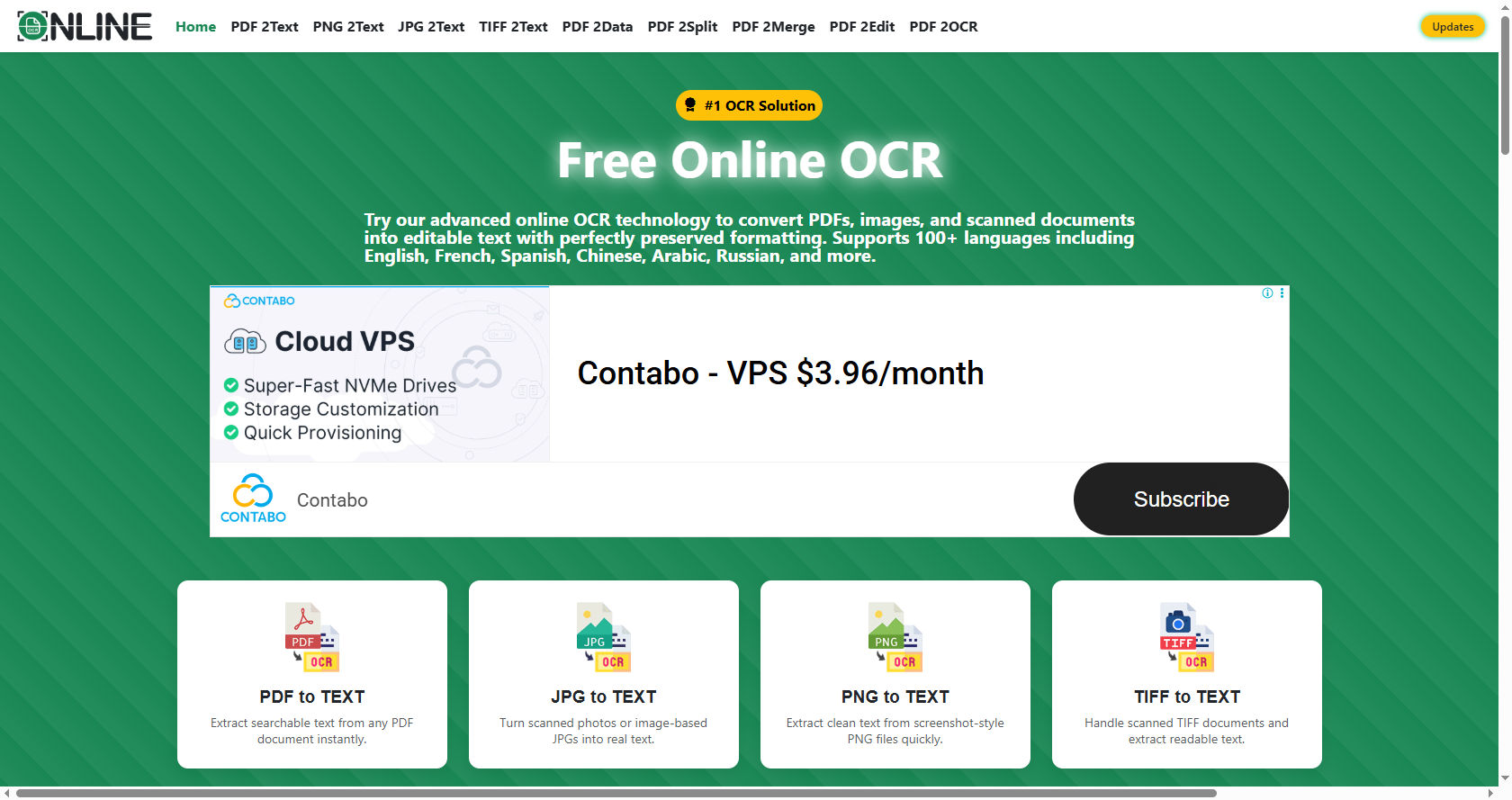
Convert image to text systems help transform visual information into editable and searchable data. This process is widely used in education, banking, healthcare, and even social media applications.
In simple terms, image words extraction is the process of reading text from an image and turning it into digital text that can be edited, copied, and stored. This article explains the entire process in detail, how it works step-by-step, and why Convert image to text tools are so important in modern technology.
By the end of this guide, you will clearly understand how machines “read” images, how accuracy is achieved, and what technologies power this transformation.
Understanding Image Words Extraction
Image words extraction refers to the method of detecting and converting printed or handwritten text in images into machine-readable text. This is most commonly known as OCR (Optical Character Recognition).
The main goal of Convert image to text systems is to eliminate manual typing and speed up data entry. Instead of typing everything from a scanned page, the system automatically extracts words from the image.
This process is not just about recognizing letters. It involves analyzing shapes, patterns, spacing, and context.
Why Image Text Extraction Matters
The demand for Convert image to text technology has grown rapidly due to several reasons:
- It saves time in data entry
- It reduces human error
- It makes documents searchable
- It supports digital transformation
- It helps preserve physical documents
For example, a student can take a photo of handwritten notes and instantly use Convert image to text tools to turn them into editable study material.
The Core Technology Behind Image Text Extraction
To understand how image words extraction works, we need to break down the technologies involved.
Optical Character Recognition (OCR)
OCR is the backbone of Convert image to text systems. It scans images and identifies characters such as letters, numbers, and symbols.
Machine Learning
Modern systems use machine learning to improve accuracy. The system learns from thousands of samples to better recognize different fonts and handwriting styles.
Neural Networks
Deep learning models simulate the human brain and improve recognition in complex images. These models significantly boost Convert image to text accuracy.
Step-by-Step Process of Image Words Extraction
Now let’s explore the complete workflow of how image text extraction works.
Step 1: Image Input
The process begins when a user uploads an image, scanned document, or photo. The Convert image to text system accepts formats like JPG, PNG, or PDF.
At this stage, the image may contain noise, blur, or uneven lighting.
Step 2: Image Preprocessing
Before extracting text, the system improves image quality. This is a crucial step in Convert image to text processing.
Preprocessing includes:
- Removing noise
- Adjusting brightness and contrast
- Straightening tilted text
- Converting image to grayscale
This step ensures the text becomes easier to detect.
Step 3: Text Detection
Next, the system identifies where the text is located in the image. This is called text localization.
The Convert image to text system scans the image and separates text areas from non-text areas like images or backgrounds.
For example, in a scanned book page, it detects paragraphs, headings, and spacing.
Step 4: Character Segmentation
Once text is detected, it is broken into individual characters or words.
This step is very important in Convert image to text technology because every letter must be identified correctly.
The system separates:
- Lines of text
- Words
- Individual characters
Step 5: Character Recognition
Now the system recognizes each character using trained models. This is the core of Convert image to text technology.
The system compares each shape with stored patterns in its database.
For example:
- A curve and line pattern may be recognized as “P”
- Two circles stacked may be recognized as “8”
Machine learning helps improve this step continuously.
Step 6: Post Processing
After recognition, the system corrects errors using language rules.
For example, if Convert image to text system misreads “hte” instead of “the,” it corrects it using grammar and dictionary support.
This step improves accuracy significantly.
Step 7: Output Generation
Finally, the extracted text is displayed as editable digital content. Users can copy, edit, or save the output.
At this stage, Convert image to text process is complete.
Types of Image Words Extraction Systems
There are different types of systems used in OCR technology.
1. Printed Text Recognition
This type works best with printed documents like books, invoices, and reports. Convert image to text tools perform very well here due to uniform fonts.
2. Handwritten Text Recognition
This is more complex because handwriting varies from person to person. Advanced Convert image to text systems use AI to understand handwriting styles.
3. Scene Text Recognition
This type extracts text from real-world images like street signs, posters, or menus.
Role of Artificial Intelligence in OCR
Artificial intelligence plays a major role in improving Convert image to text systems.
AI helps in:
- Understanding context
- Predicting missing characters
- Improving handwriting recognition
- Learning from user corrections
Without AI, modern OCR systems would be much less accurate.
Challenges in Image Words Extraction
Even though Convert image to text technology is advanced, it still faces challenges.
Poor Image Quality
Blurry or dark images reduce accuracy.
Complex Fonts
Stylized or decorative fonts are harder to recognize.
Handwriting Variations
Every person writes differently, making recognition difficult.
Background Noise
Images with patterns or designs behind text can confuse the system.
Real-Life Applications of Convert Image to Text Technology
The Convert image to text process is used in many industries.
Education
Students scan notes and convert them into editable text.
Banking
Banks extract information from cheques and forms.
Healthcare
Doctors use OCR to digitize prescriptions and reports.
Business
Companies convert invoices and contracts into digital formats.
Advantages of Image Words Extraction
The benefits of Convert image to text systems include:
- Faster document processing
- Reduced manual labor
- Improved accuracy
- Easy data storage
- Better accessibility
It has become a key part of digital transformation.
Future of Image Text Extraction Technology
The future of Convert image to text systems is very promising.
Improved AI Models
Future systems will better understand handwriting and context.
Real-Time Extraction
Text will be extracted instantly from live camera feeds.
Multilingual Support
Systems will support more languages with higher accuracy.
Integration with Apps
OCR will be embedded into mobile apps, browsers, and devices.
How Accuracy is Improved in Modern Systems
Accuracy in Convert image to text systems depends on several factors:
- High-quality training data
- Advanced AI algorithms
- Continuous learning systems
- User feedback correction
These improvements make modern OCR tools extremely reliable.
Common Tools and Software
Many applications use Convert image to text technology:
- Google Lens
- Adobe Acrobat OCR
- Microsoft OneNote
- Online OCR tools
Each tool uses slightly different algorithms but follows the same basic process.
Limitations of Current Systems
Even advanced Convert image to text systems have limitations:
- Cannot always understand context perfectly
- Struggle with artistic handwriting
- Require good lighting in images
- May misinterpret similar characters (O and 0)
Despite these issues, performance is improving every year.
Importance of Preprocessing in Detail
Preprocessing is one of the most important steps in Convert image to text systems.
It ensures:
- Clean input data
- Reduced noise
- Better segmentation
- Higher recognition accuracy
Without preprocessing, OCR accuracy drops significantly.
Deep Learning Models in OCR
Deep learning has revolutionized Convert image to text technology.
Convolutional Neural Networks (CNNs) help detect patterns in images, while Recurrent Neural Networks (RNNs) help understand sequences of text.
These models allow systems to recognize complex layouts and handwritten notes.
Security and Data Privacy
When using Convert image to text tools, security is important.
Sensitive documents like bank statements or IDs must be processed safely. Many modern systems ensure encryption and local processing.
Educational Benefits
Students benefit greatly from Convert image to text systems:
- Convert handwritten notes into digital format
- Summarize textbooks
- Translate foreign language text
- Organize study material
Business Benefits
Businesses use Convert image to text systems to:
- Automate document processing
- Reduce paperwork
- Improve workflow efficiency
- Save operational costs
Conclusion
Image words extraction is a powerful technology that allows computers to read and understand text from images. The entire process—from image input to final text output—involves multiple stages like preprocessing, detection, segmentation, recognition, and correction.
The rise of Convert image to text systems has transformed how we handle documents in education, business, healthcare, and daily life. With advancements in artificial intelligence and machine learning, the accuracy and speed of these systems continue to improve every year.
In the future, Convert image to text technology will become even more intelligent, supporting real-time extraction, better handwriting recognition, and wider language support. It is already a key part of digital transformation and will continue to shape how we interact with information.

Leave a Reply